
Recordings Last Forever
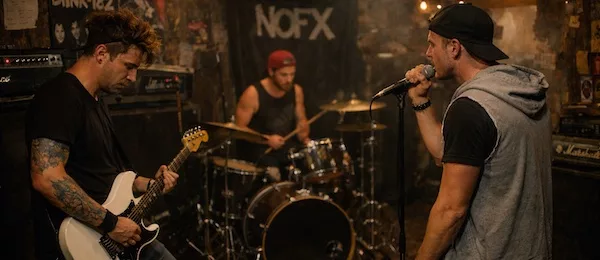
There’s a quiet assumption that recording music is about the future. About what might happen with it. Who might hear it. But for most musicians, the real value of a recording shows up years later.
Long after the band has changed. After schedules no longer line up. Shows have come and gone.
Every band exists in a specific window of time. A certain lineup. A certain energy. Hours of practice. A shared set of influences, responsibilities, inside jokes, and limitations. Even bands that play together for decades don’t stay the same. They just evolve slowly enough that it’s hard to notice in real time.
Recordings let you preserve that moment.
It captures how the songs sounded then. How the band felt then. How people played before life changed, jobs, moves, kids, and the rhythm of life.
This is why recordings matter even when there’s no plan attached.
Years from now, you won’t listen back and evaluate the mix.
You’ll remember where you were standing.
Who was in the room.
What life looked like when those songs were new.
That’s the part most musicians don’t think about. They might think a studio recording is a milestone for a band on the rise. A step in the band's career. But for most of us, it's more about the legacy.
It’s easy to assume there will always be another chance. Another session. Another lineup. Another season where everyone has the time and energy to do it right. But bands don’t usually end intentionally. They fade. Practices get postponed. The room goes quiet.
The time is now. Talk to us about how to get started. Because you don’t regret recordings you made. You regret the ones you never made.
At some point, recordings will be the only way to revisit something that no longer exists.
This applies just as much to casual bands as it does to long-running ones. Especially to bands that play purely for enjoyment. Those projects often carry the most meaning, because they weren’t built around outcomes. They were built around connection.
If the music mattered enough to rehearse, it mattered enough to record. After all the work, developing your skills and years of practice, recording is a way to honor that.
You don't need to overthink it. You don't need perfection. You just need to decide that this chapter deserves to be remembered.
A professional studio isn’t a judgmental microscope. It’s a container. A place where things get preserved instead of left behind. A place where a band’s story gets documented instead of just a memory.
Because memory fades.
Recordings don’t.
And years from now, when you stumble across a session you almost didn’t do, the value won’t be measured in cost or outcome. It will be measured in how vividly it brings that time back.
That’s legacy.
Not fame.
Not success.
Just proof that it happened.