
You Don’t Regret The Recordings You Made
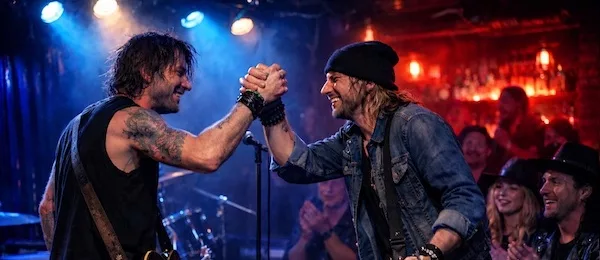
Most bands around here aren’t trying to make a living from music.
They’re doing it because they enjoy it. Because it’s part of who they are. Because playing music is still one of the best ways to spend time with other people. And your music is special.
That’s not a problem.
In fact, it’s an advantage.
What’s interesting is that many of these same bands hesitate to record—not because they can’t afford it, but because they’re still carrying an old idea that they're not ready, or that cost should be the deciding factor.
For a lot of musicians, these ideas were formed years ago. Back when money was tight. Back when recording felt like a gamble. Back when studio time was something you justified only if there was a big outcome on the other side.
But that version of the decision no longer applies.
Most musicians we work with now have day jobs. Real jobs. Often good-paying ones. They budget for gear, travel, hobbies, entertainment, and experiences without much hesitation. Yet recording still gets mentally placed in a separate category—something optional,or “someday.”
The truth is simple:
You don’t regret recordings you made.
You regret the ones you never made.
Recording isn’t about proving anything. It’s not about chasing an audience, impressing anyone, or turning a hobby into a career. It’s about preserving something that already matters to you.
If the music matters enough to rehearse, it matters enough to record.
That applies whether you’ve been playing together for twenty years or six months. Recording isn’t a reward you earn after reaching some imaginary level. It’s part of the process. Early recordings become reference points. Honest recordings—even imperfect ones—become memories you can return to. Fun projects still deserve care.
One of the biggest misconceptions about professional studios is that they exist only for “serious” bands. In reality, a studio is a place where ideas get finished. Where songs stop living only in rehearsal spaces and start existing as something real. They just sound better than your basement recordings, and that's important.
A good recording doesn’t lock you into anything. It doesn’t define your future. It documents a moment.
And moments pass faster than anyone expects.
Bands change. People move. Schedules fill up. Life gets busier. You can always write new songs later, but you can’t go back and record this version of the band. This lineup. This season. This energy.
I've missed opportunities to get serious with bands I loved playing with because I thought they would last forever, but it was just a passing moment in time, and it is now gone.
That’s the real cost most musicians underestimate—not the price of recording, but the price of waiting.
Reaching out to a studio doesn’t mean committing to something massive. It doesn’t mean declaring big ambitions or locking into a long-term plan. It just means deciding that the music you’re already spending time on deserves to exist beyond the room where you rehearse it.
If you’ve been practicing the same songs for months or years, you’ve already made the commitment. Recording is simply the next honest step.
And years from now, when you’re listening back, the question won’t be what it cost.
It will be whether you’re glad you did it. And you will be.
Reach out. You can contact me to set up a visit to the studio and have a straightforward conversation about your music.